IV drug use can be extremely dangerous, and there is often a stigma around individuals who are struggling with this form of addiction. Unfortunately, few people know the serious dangers associated with IV drug use.
IV Drug Use Complications and Dangers
Here are some of the serious complications from IV (intravenous) drug use that I’ve witnessed in patients as a cardiac nurse.
1. Transmission of infectious diseases
There is a serious risk of catching and spreading diseases when sharing needles with others while using IV recreational drugs. Infectious diseases such as Hepatitis and HIV are easily transmitted through this route. These diseases can require lifelong treatment, and IV drug users can unknowingly spread these diseases to others.
2. Endocarditis (inflammation within the heart)
Endocarditis can develop from IV drug use when individuals use dirty needles, fail to disinfect the site before injection, or use an improper technique for compounding or mixing the drug, which should always be done in a sterile environment.
When drugs are injected in the venous system, those germs can travel to the heart almost immediately, and they can stick to the heart valves, causing inflammation, infection, and build-up.

I’ve had patients who were in their early 20s who had a history of IV drug use. The cardiologist ran a transesophageal echocardiogram (TEE) due to suspected endocarditis. You could see the huge vegetation growth just floating on the heart valve, and when this occurs, it can be extremely dangerous.
The vegetation can break off and cause an embolism. For example it could travel to the brain and cause a cerebral embolism.
When the heart valves are damaged from the bacteria, the heart valves will likely require replacement surgery, which is an ordeal in itself. Once the patient has heart valve replacement surgery, he or she will be on anticoagulants for the rest of their life to prevent a clot from developing on the new valves.
Unfortunately, I know of a patient who was an IV drug user. This patient had a heart valve replaced previously and was in need of another replacement surgery due to continued IV drug use. Sadly, the patient passed away from a brain bleed because they were not compliant in routinely checking their INR levels.
You have to check your INR levels regularly and titrate the dosage when taking anticoagulants such as warfarin.
3. IV Drug Use Can Destroy Your Veins
The veins can become damaged and begin to wither away with IV drug use. Individuals can develop scar tissue and find it harder and harder to find veins to use for injecting drugs intravenously.

Scar tissue can develop in the limbs, and the risk for skin abscesses and infection are high.
Some individuals start to use veins in the toes, fingers, feet, or neck, and may even turn to arterial routes, which is extremely dangerous and carries with it the potential development of pseudoaneurysms.
In addition, individuals can develop a DVT (deep vein thrombosis). Clots or infection in the vascular system or skin can ultimately lead to amputation of the extremity.
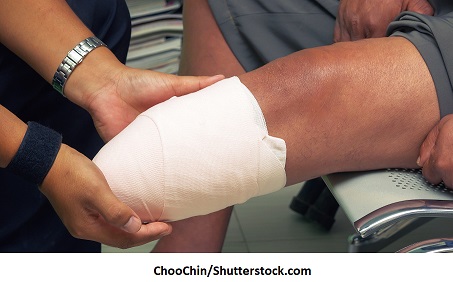
I’ve taken care of patients who have been in their 20s and have lost feet and hands because of complications from IV drug use. It’s devastating and heartbreaking for the patient and their family, especially at such a young age.
4. Overdoses Risks
Overdose is a serious risk when using IV drugs for a few reasons.
First, IV drugs can be laced with potent substances such as fentanyl or even animal tranquilizers. When drugs are obtained illegally, you never know what they might contain.
In addition, drug dosages can be too high, leading to accidental overdose. If an individual has been using IV drugs for years, he or she may seek higher doses due to an increased tolerance of the drug.
Sadly, something called the “drug ceiling effect” can occur, where the drug will reach its maximum effect regardless of taking higher doses. This means a person may take a higher dose of IV drugs in an attempt to regain the same level of “high” as before, but the drug won’t actually provide the high due to the drug’s ceiling effect.
Instead, the individual is putting themselves at a much higher risk of a fatal overdose with the higher doses.
Conclusion: IV Drug Use is Dangerous and Serious
Using recreational IV drugs is dangerous and will certainly lead to serious health problems with continued use (or even a single use). If you or someone you know is using IV drugs, you want to be aware of these serious health concerns.
Individuals may feel embarrassed about seeking treatment, but IV drug addiction happens to people of all walks of life, and there shouldn’t be any stigma or shame in seeking appropriate help.
There are many healthcare professionals working in recovery centers who can help you overcome your addiction. There are many wonderful success stories of individuals who have struggled with drug addiction, yet they were able to get the support and treatment they needed to regain their life back.
You can visit https://findtreatment.gov/ to find a treatment facility near you. In addition,SAMHSA’s National Helpline is a free, confidential resource you can call. The helpline is available 24 hours a day, 365 days a year: 1-800-662-HELP (4357)