Hepatitis A, B, C, D, E nursing NCLEX review for students!
In this review, you will learn about viral Hepatitis. This review is part of a GI nursing NCLEX review series.
After reviewing these notes, don’t forget to take the quiz that contains Hepatitis NCLEX questions and to watch the lecture.
Lecture on Hepatitis
Hepatitis A, B, C, D, E Nursing NCLEX Review
What is hepatitis?
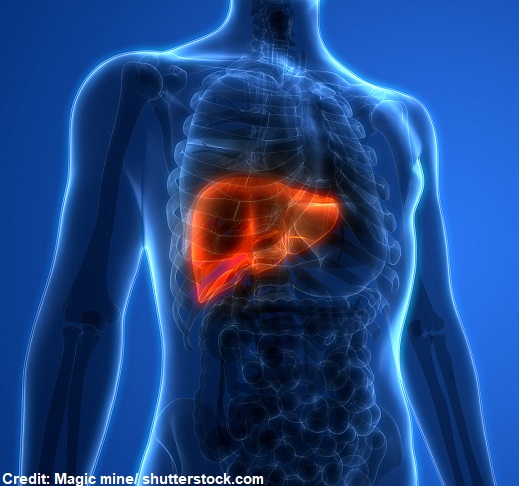 Let’s break down the word to help us:
Hepat: prefix for LIVER
Itis: suffix for inflammation
Hepatitis = liver inflammation
Liver inflammation can occur for many reasons:
- drugs
- excessive alcohol usage
- medications
- viruses (most common and referred to as viral hepatitis): this is where a virus attacks the cells of the liver causing them to malfunction.
There are 5 types of viral Hepatitis we’re going to compare in this review: A, B, C, D, E.
During the comparison below, be sure you pay special attention to how each type is transmitted, if it causes acute and/or chronic infections, testing results and what they mean, treatment, and prevention (especially if a vaccine or post-exposure immune globulin is available).
Role of the Liver
The liver is an amazing organ, and it’s really not given a lot of credit considering what it does for the body because when your liver fails everything else in the body will as well.
This is because the liver is sort of like the gatekeeper of the body. It filters, protects, breaks down and stores substances, and releases them to keep the body in balance, etc.
Where’s it located? It’s found in the upper right quadrant just under the diaphragm.
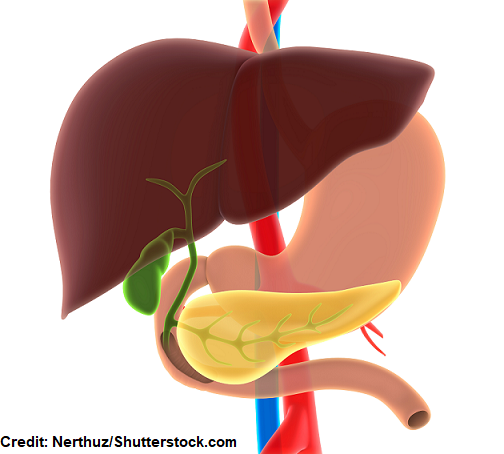 How it’s structured? It has two lobes and 8 segments. Each of the segments are made up of these functional units called lobules. This is where the liver’s hepatocytes live and work. These cells do majority of the work performed by the liver.
The liver receives blood from two sources:
- Hepatic artery: this vessel pumps fresh oxygenated blood to the liver from the aorta to keep the cells of the liver supplied with oxygen so they can function and won’t die.
- Hepatic portal vein: this vessel pumps blood rich in nutrients (very poor in oxygen) from the GI system that just broke down the food the person just consumed. The blood will flow to the hepatocytes, which will decide what is stored, removed, and goes to the body…so it filters the blood (toxic chemicals, potential bacteria, drugs).
What are the specific awesome functions of the liver?
- It produces bile that will help digest fats. The bile is squirted into the small intestine to help digest fats. Bile is stored in the gallbladder.
- It plays a role with the coagulation process (remember how Warfarin worked?).
- Provides immune system protection by producing immune factor proteins and eliminates dangerous bacteria from the blood.
- It helps regulate the blood glucose levels by storing and creating glucose based on the body’s needs.
- It turns ammonia into urea. Ammonia is created with the breakdown of proteins. It is highly toxic to the brain if it accumulates in the blood, which is why the liver turns it into urea and lets the kidneys dispose of it through the urine.
- It breaks down red blood cells. When this occurs it will create bilirubin. Bilirubin is a brownish yellow substance, which is placed in the bile and excreted in the stool. This is why stool is normally brown.
Comparison of Hepatitis A, B, C, D, E
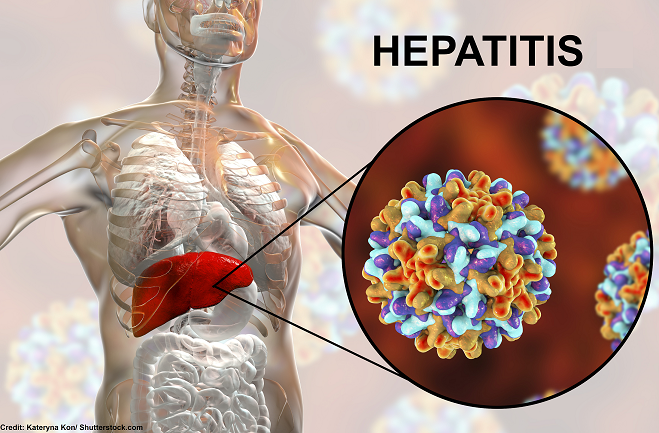 Hepatitis A:
How do you get it (transmission)?
- Most common is fecal-oral: a person is most likely to get the virus from consuming contaminated food or water.
- Acute type of infection only: no long term complications likely because the virus is in the body for a short time and killed by the body
Signs & Symptoms (note: all types of hepatitis have similar symptoms as the ones below)
- asymptomatic (some patient may be without symptoms)
- Jaundice
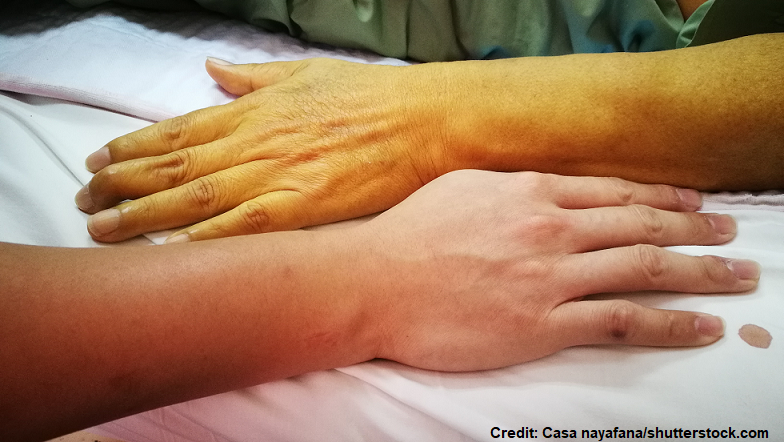

- GI symptoms: nausea, vomiting, stomach pain, loss of appetite
- Fever
- Very tired
- Dark urine (bilirubin)
- Clay-colored stool (no bilirubin in stool)
- Arthralgia (joint pain)
With Hepatitis A, the patient can be contagious 2 weeks BEFORE the signs and symptoms appear and 1-3 weeks from when the symptoms appeared.
Diagnosed: anti-HAV (antibodies of the hepatitis A virus) presence with IgM and IgG in the blood
- anti-HAV igM = active infection (in icteric phase)
- anti-HAV IgG = past infection and recovered and has immunity…if received the vaccine it worked
- How to remember? IgM (think mean virus is present in the body) and IgG (think the virus is gone)
Treatment: none at time (clears on its own)….rest and supportive treatment
Prevention: handwashing, vaccine: (2 doses given 6 months apart as part of the pediatric vaccine schedule), want to receive the vaccine if travelling outside US, Hepatitis A immune globin (IG): if came into contact will the virus, needs to receive IG within 2 weeks of exposure….it will provide temporary passive immunity.
Hepatitis B:
How you get it (transmitted)?
- blood and other body fluids like semen, blood, or vaginal fluid etc.
- Most common transmission route is sexual intercourse and intravenous drug use. It can also be spread via the birthing process if mother is Hepatitis B positive. Therefore, it can be spread via the percutaneous (via a puncture in the skin…example: needle) or mucosal routes.
- Acute and chronic infections can occur. Infants and young children at most risk for chronic infections.
- Chronic infections can lead to major complications like: cirrhosis, liver failure, and liver cancer
Signs and symptoms: same as above if present
Diagnosed:
- HBsAg (Hepatitis B surface antigen): show infectious (educate: avoid sexual intercourse and intimacy like kissing until it is negative)
- Anti-HBs (Hepatitis b surface antibody): means patient is recovered (had a previous infection) and immune (example: effective Hepatitis B vaccine)
Treatment:
- acute: none just supportive treatment
- chronic: antiviral medications (Tenofovir or Entecavir)…help decrease viral count and prevent damage to the liver or interferon
- Peginterferon alfa-2a (Pegasys): given subcutaneous
Prevention: handwashing, vaccine for all infants (3-4 doses over 6-18 months) and people at risk for Hepatitis B..example: healthcare workers (3 doses over 6 months), following sharp precautions, all pregnant women tested due to transmission at birth, post-exposure Hepatitis B immune globulin within 24 hours of exposure (12 hours after birth) to provide temporary passive immunity.
Hepatitis C :
How you get it (transmitted)?
- Blood and body fluids…. spread via percutaneous (via the skin through a puncture) or in body fluids with mucosal route
- Most common transmission route intravenous drugs.
- Other ways but not as common: sexual contact, if received blood or blood products before 1992, sharp injuries (needle or instruments), long-term dialysis increases risk of exposure too
Signs and symptoms: same as above if present
Acute and chronic infections can occur. A high percentage of Hepatitis C becomes chronic, which increases the risk for liver disease.
- Chronic infections can lead to major complications like: cirrhosis, liver failure, and liver cancer
Diagnosed: presence of anti-HCV (antibodies to HCV) for chronic infection…not for acute infections
Treatment:
- antiviral medication like direct acting antivirals (DAAs)
Prevention: handwashing, NO vaccine currently or immune globulin for post-exposure, following sharp precautions, strict blood and organ donation screening
Hepatitis D:
How you get it (transmitted)? Only infects a person when they have Hepatitis B.
- Blood and body fluids…. spread via percutaneous (via the skin through a puncture) or in body fluids with mucosal route…same as Hepatitis B.
- Not as common in the US compared to Southern and Easter Europe and Mediterranean and Middle East.
- Acute and chronic infections can present.
Signs and symptoms: same as above if present
Diagnosed: presence of HDAg (hepatitis D antigen) and anti-HDV
Treatment: antiviral medications or interferon (Peginterferon alfa-2a (Pegasys)
Prevention: handwashing, getting the Hepatitis B vaccine, NO vaccine for Hepatitis D or post-exposure immune globulin
Hepatitis E:
How you get it (transmission)?
- Fecal-oral: from consuming contaminated water or food (can also be transmitted in undercooked meat like pork or wild game)
- Acute infection only: can cause major complications in pregnant women in the 3rd trimester
- Tends to be more prevalent in developing countries and in people who globally travel
Signs and symptoms: same as above if present
Diagnosed: antibodies to detect HEV
Treatment: none rest and supportive treatment
Prevention: handwashing, no vaccine being used here in the US at this time, if travelling outside US use bottled water, cook meat thoroughly
Quick highlighted review of the above comparison:
- Hepatitis A and E are very similar:
- Both transmitted fecal-oral
- Both ONLY cause acute infections
- Both treatment: supportive and rest
- Hepatitis A has a vaccine and immune globulin….Hepatitis E does NOT have a vaccine im the US or post-exposure immune globulin
- Hepatitis B, C, D are similar:
- All transmitted via blood/body fluids
- All cause either acute and chronic infections
- All treatment can include antivirals and interferon
- Only Hepatitis B has a vaccine and post-exposure immune globulin.
Nursing Education to Provide to Patients with Hepatitis
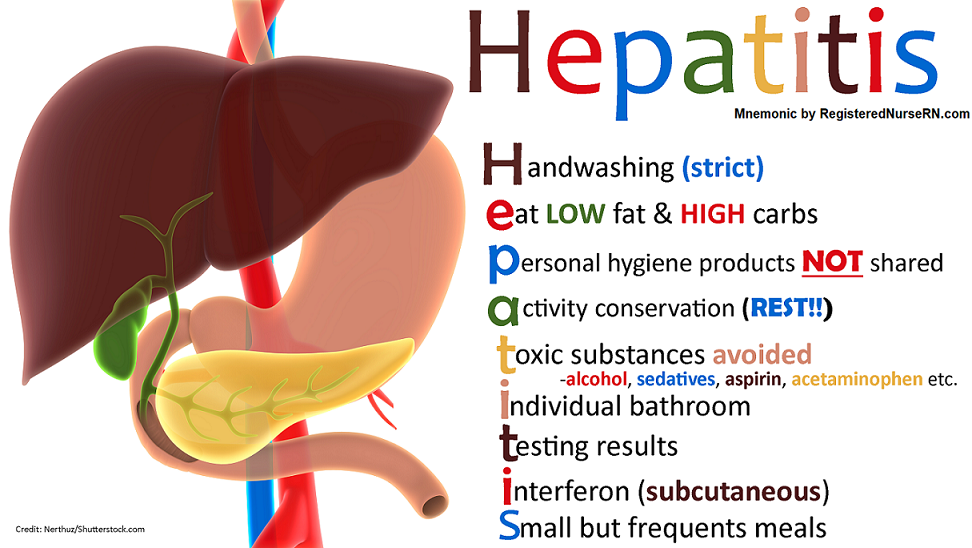
Handwashing (strict)
Eat low fat and high carb meals (needs proper nutrition to help with liver regeneration and low fat intake because bile production is altered…remember bile helps digest fats)
Personal hygiene products NOT to be shared (inform about the types of products: toothbrushes, razors, drinking cups, utensils, towels etc.)
Activity conservation…patient needs to REST to help the liver heal
Toxic substances AVOIDED…especially over-the-counter products that are liver toxic: alcohol, sedative, aspirin, acetaminophen etc.
Individual bathrooms…don’t share bathroom with family members
Test results:
- Hepatitis A: anti-HAV IgM (active) and anti-HAV IgG (recovered/immune)
- Hepatitis B: HBsAG (infectious) and anti-HBV (recovered/immune)
Interferon (Peginterferon alfa-2a given subq) and Immune globulin for Hepatitis A (within 2 weeks of exposure) and Hepatitis B Immune globulin (within 24 hours of exposure)
Small but frequent meals…this may help with the nausea and patient should NOT cook for others until not infectious.
Phases of Viral Hepatitis
Preicteric (prodromal) Phase: body symptoms…joint pain, fatigue, nausea vomiting, abdominal pain change in taste, liver enzymes and bilirubin increasing
Icteric Phase: DECREASE in body symptoms but will have jaundice and dark urine (from build-up of bilirubin), clay-colored stool (bilirubin not going to stool to give it’s normal brown color) enlarged liver and pain in this area
Posticteric (convalescent) Phase: jaundice and dark urine start to subside and stool returns to normal brown color, liver enzymes and bilirubin decrease to normal
Labs to Know Regarding Hepatitis
Liver Enzymes (can be obtained from a comprehensive metabolic panel)
- ALT(alanine transaminase): 7 to 56 U/L (will be elevated)
- AST(aspartate transaminase) 10-40 U/L (will be elevated)
Bilirubin: <1 mg/dL (will be elevated with hepatitis…causes jaundice/dark urine)
Ammonia level (from separate test): 15-45 mcg/dL (elevated with hepatitis and will see as mental status changes)
- Lactulose administered for high ammonia level…causes diarrhea but lowers ammonia level
References:
Centers for Disease Control and Prevention. Epidemiology and Prevention of Vaccine-Preventable Diseases. Hamborsky J, Kroger A, Wolfe S, eds. 13th ed. Washington D.C. Public Health Foundation, 2015.
Centers for Disease Control. (2016). The ABCs of Hepatitis [Ebook] (pp. 1-2). Retrieved from https://www.cdc.gov/hepatitis/Resources/Professionals/PDFs/ABCTable.pdf
Hepatitis (Viral) | NIDDK. Retrieved from https://www.niddk.nih.gov/health-information/liver-disease/viral-hepatitis
US Food and Drug Administration. Pegasys (peginterferon alfa- 2a Label) [Ebook] (p. 1). Retrieved from https://www.accessdata.fda.gov/drugsatfda_docs/label/2011/103964s5204lbl.pdf