Patient positioning quiz for nursing student preparing for the next generation NCLEX (NGN).
It’s important to be familiar with various patient positioning techniques and the problems can that arise from these positions. In this quiz, you will have to identify the patient positions, what they are used for, and complications from these positions.
Don’t forget to watch the patient positioning lecture (coming soon) and review the notes (coming soon).
Patient Positioning Quiz
Patient Positioning Quiz

1. What position is illustrated above?
- A. Sims’ position

- B. Prone position
- C. High Fowler’s position
- D. Modified Trendelenburg position
The answer is A: Sims’ position. Sims’ position involves the patient lying on their left side with the right knee and hip flexed and the left hip and knee slightly extended. It’s often used for procedures like Foley catheter insertion on females who can’t tolerate the dorsal recumbent position, enema administration, and even sleeping.
2. Your patient has a spinal injury above T6. The patient reports a severe headache and is sweating profusely. You assess the patient’s blood pressure and discover it is elevated compared to the patient’s baseline. Which position should you immediately place the patient in?
- A. Low Fowler’s position at a 20 degree angle
- B. Trendelenburg position
- C. Right lateral recumbent
- D. High Fowler’s position at a 90 degree angle
The answer is D: High Fowler’s position at a 90 degree angle. The patient is experiencing autonomic dysreflexia. This can occur in patients with a T6 or higher spinal injury. This position will help decrease the elevated blood pressure. Please see our lecture video on autonomic dysreflexia for a complete review.
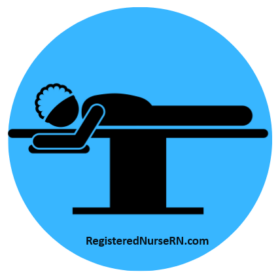
3. Your patient is in the position noted above. This patient is on mechanical ventilation for the treatment of ARDS. As the nurse you plan to monitor for what types of problems that can arise from this position? Select all that apply:
- A. brachial plexus injury
- B. tube dislodgement
- C. sacral pressure injury
- D. ear injury
- E. back of the head pressure injury
- F. eye damage
The answers are A, B, D, and F. This is known as the prone position. Proning can be beneficial for some patients with ARDS because it helps improve lung ventilation, move respiratory secretions, and ease the workload on the heart. However, there is a risk for brachial plexus injury (the nerves in the shoulder and arms), tube dislodgement or blockage (leading to respiratory event), pressure injury to the ears or eyes.
4. The Fowler’s position has a head of the bed angle at ________________________.
- A. 60-90 degrees
- B. 15-30 degrees
- C. 45-60 degrees
- D. 30-45 degrees
The answer is C: 45-60 degrees.

5. What position is illustrated above?
- A. Trendelenburg position
- B. Lithotomy position
- C. Modified Trendelenburg position
- D. Reverse Trendelenburg position
The answer is A: Trendelenburg position The Trendelenburg position involves the patient lying supine with their feet elevated and head lowered.

6. Note the position illustrated above: This position is beneficial for what usage?
- A. enteral feedings
- B. hemodynamic problems
- C. Foley catheter insertion
- D. respiratory problems (example: ARDS or COVID-19)
The answer is B: hemodynamic problems This position is known as the modified Trendelenburg position. It may be helpful in patients who are having hemodynamic problems because it can help increase venous return.
7. A patient is receiving treatment for increased intracranial pressure. The nurse will place the patient in the ______________ position with the head of the bed at _________________ degrees.
- A. semi-fowler’s; 30
- B. low-fowler’s; 15
- C. fowler’s; 30
- D. high fowler’s; 60
The answer is C. semi-fowler’s; 30. This position and head of the bed angle will help decrease intracranial pressure and maintain cerebral perfusion.

8. Label the positions above A __________ B __________ C __________. Hint: note the angle of the head of the bed.
- A High Fowler’s; B Low Fowler’s; C Fowler’s
- A Semi-Fowler’s; B High Fowler’s; C Fowler’s
- A Fowler’s; B High Fowler’s; C Semi-Fowler’s
- A Fowler’s; B Semi Fowler’s; C Low Fowler’s
The answer is: A Fowler’s; B High Fowler’s; C Semi-Fowler’s
9. What position should the nurse place the patient in when they are experiencing a seizure?
- A. supine position
- B. prone position
- C. lateral position
- D. dorsal recumbent
The answer is C: lateral position. This will help keep the airway open and prevent aspiration.

10. Which option below labels the positions above correctly?
- A Supine; B Lithotomy; C Dorsal recumbent; D Trendenlenburg; E Sims’
- A Supine; B Sims’; C Lithotomy; D High Fowler’s; E Trendenlenburg
- A Supine; B Dorsal recumbent; C Lithotomy; D Modified Trendelenburg; E Lateral
- A Supine; B Dorsal recumbent; C Lithotomy; D Reverse Trendelenburg; E Lateral
The answer are A Spuine; B Dorsal recumbent; C Lithotomy; D Reverse Trendelenburg; E Lateral
Don’t forget to tell your friends about this quiz by sharing it your Facebook, Twitter, and other social media. You can also take more fun nursing quizzes.
*Disclaimer: While we do our best to provide students with accurate and in-depth study quizzes, this quiz/test is for educational and entertainment purposes only. Please refer to the latest NCLEX review books for the latest updates in nursing. This quiz is copyright RegisteredNurseRn.com. Please do not copy this quiz directly; however, please feel free to share a link to this page with students, friends, and others.