Neurogenic shock nursing NCLEX review for students!
In this review, you will learn about neurogenic shock.
After reviewing these notes, don’t forget to take the quiz that contains neurogenic shock NCLEX questions and to watch the lecture.
Lecture on Neurogenic Shock
Neurogenic Shock NCLEX Review
What’s neurogenic shock?
 This type of shock leads to the inability of the sympathetic nervous system to stimulate nerve impulses, which causes hemodynamic problems. This leads to a decrease in tissue perfusion where the cells that make up our organs and tissue don’t receive enough oxygen. Hence, signs and symptoms of shock occur.
Neurogenic shock is a type of distributive shock (anaphylactic and septic shock are the other types of distributive shock). This means that the vessels that deliver blood flow to the cells have an issue with distributing that blood flow.
In neurogenic shock, it’s due to massive vasodilation because the sympathetic nervous system has lost the ability to stimulate nerves that control vessel vasomotor tone (this is the ability to regulate the diameter of the vessels…discussed in detail below).
What can cause neurogenic shock?
- Spinal cord injuries that are located at the cervical or upper thoracic locations (above T6)
- Drugs that affect the autonomic and sympathetic nervous system
- Spinal anesthesia
Neurogenic shock is sometimes referred to as vasogenic shock.
Pathophysiology of Neurogenic Shock
Let’s talk about what is occurring in neurogenic shock, but first let’s do a quick review of the autonomic nervous system.
The autonomic nervous system controls the functions we cannot consciously control like our heart rate, digestion, rate of breathing, pupil response, etc. It is divided into two systems called the:
Sympathetic Nervous System (SNS) and Parasympathetic Nervous System (PSNS)
The parasympathetic nervous system is known as the “rest and digest” system. It helps us relax by decreasing our heart rate and allows us to digest food, among other functions.
The sympathetic nervous system is the “keep you alive or fight or flight” system! It increases the heart rate, blood pressure, dilates your pupils for better vision etc. Therefore, a HUGE role it plays is that it controls VASOMOTOR TONE. This means that the SNS regulates the diameter of our vessels. It will cause our vessels to constrict or dilate as needed, depending on the signals it receives from the body.
Now, it’s very important to note that the PSNS and SNS are always balancing each other out to keep things regulate in our body. For example, if the SNS had to kick in to save your life, eventually it would have to slow down and this is where the PSNS system would help. Therefore, if one system is not working (as the case with neurogenic shock…the SNS is malfunctioning), the other system will be UNOPPOSED and in a sense take over, which is why many patients with neurogenic shock will have bradycardia.
How does the sympathetic nervous system regulate the diameter of our vessels? The nerve fibers of the sympathetic nervous system branch out and hang out on the layers of the vessels. When nerve signals are fired, it will cause the neurotransmitters epinephrine and norepinephrine to be released. These neurotransmitters will cause the vessel to constrict (narrow). However, if there is a low level of nerve firing or NO firing, these neurotransmitters are NOT released, so the vessel just relaxes….hence dilates. This is the problem with neurogenic shock. The nerves are not being stimulated, so they are relaxed. This causes major problems!
Why? Dilated vessels affect the blood pressure. When vasomotor tone is lost, vessel dilation occurs and this lowers systemic vascular resistance (SVR), which causes a major decrease in blood pressure (hypotension). Due to the decreased SVR and low blood pressure, blood pooling will occur in the vessels. This will DECREASE the amount of blood draining back to the heart (remember there is not pressure/resistance helping to push it back so it just hangs out away from the heart).
What does this leave the heart to pump? Hardly anything at all! This will cause a DECREASE in tissue perfusion.
In addition, this blood pooling will lead to a risk of deep vein thrombosis (DVT) development and lower the body core temperature (hypothermia).
Why hypothermia? The blood is just sitting in the extremities cooling down and not returning to the core body to be warmed. These patients will have warm/dry extremities but a cold body.
Why does this lead to a decrease in tissue perfusion? There is venous pooling of blood and not much blood will be flowing back to the heart because there isn’t any resistance making it go back. This will decrease cardiac preload (the amount the ventricle stretch at the end of diastole/filling phase) and cardiac afterload (resistance the ventricles must overcome to pump blood out of the heart and this is due to the decrease in SVR).
Remember we discussed in our lecture on cardiac output that cardiac preload and afterload play a huge role with cardiac output because they affect stroke volume (the amount of blood the ventricle pumps with each BEAT), which affects cardiac output. CO is calculated by:
 CO = Heart Rate (HR) x Stroke Volume (SV)
Cardiac output is the amount of blood the heart pumps per minute. When CO falls, so does the amount of blood that is rich in oxygen that flows to the cells that make up our tissues and organs. If cells don’t receive enough oxygen they start to die, and the patient starts to experience the classic signs and symptoms of shock.
Also, hypothermia can occur due to the body’s inability to regulate the body temperature because of hypothalamus dysfunction. This is further complicated by the peripheral vasodilation and pooling of blood in the extremities (as discussed above). This will lead to heat loss because the blood isn’t returning back to the body to keep it warm. So, extremities will be warm and dry, but the body will be cold (poikilothermic: loses the ability to regular core body temperature).
Bradycardia will occur too! The heart rate is controlled by both the sympathetic and parasympathetic nervous system. SNS increases the heart rate and PSNS works to decrease the heat rate. Therefore, they are both balancing out the heart rate. If we lose the function of the SNS, the PSNS will be unopposed and bradycardia will occur.
Recap of the pathophysiology and the signs and symptoms in neurogenic shock:
The major signs and symptoms you will see with neurogenic shock are…
hypotension, bradycardia, hypothermia, warm/dry extremities but cold body
Patho: One major function that is lost in neurogenic shock is the ability to regulate the diameter of the blood vessels. Therefore, the vessels are just relaxed (dilated). This will decrease systemic vascular resistance and hypotension will occur. Also, since the SNS isn’t working very well (which helps increase our heart rate) the parasympathetic system will take over (which decreases the heart rate)…so bradycardia will occur. Hypothermia occurs because of hypothalamus dysfunction and is further complicated by blood pooling in the extremities (remember this blood is sitting there and cooling off because it is not going back to the body). Warm/dry extremities can be found due to dilated vessels causing the blood to pool in the extremities.
These signs and symptoms are slightly different than the other types of shock we have covered, especially in the early stages of shock.
WHY? Remember during the early stages of shock in the other types of shock, the sympathetic nervous system kicks into gear to help “save” the body by causing vasoconstriction with the release of norepinephrine and epinephrine. This would increase the heart rate, blood pressure (in hope of increasing CO) etc. However, in neurogenic shock, this doesn’t occur because the body has lost the ability to stimulate the sympathetic nervous system due to this injury.
Neurogenic shock is different from spinal shock because neurogenic shock causes hemodynamic changes with hypotension and bradycardia related to its injury. Whereas, spinal shock causes changes with sensation, motor, and reflexes.
Neurogenic Shock Nursing Interventions and Treatments
Goal: Manage patient’s ABCS (Airway, Breathing, Circulation & Spine)
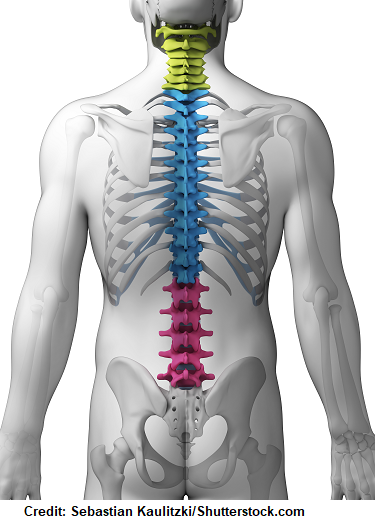 Protect the spine: Keep spine immobilized (don’t want to cause any more damage and decrease perfusion to the spine) Example: cervical collar, log rolling patient during transport, using a backboard
May need intubation and mechanical ventilation if respiratory failure present (respiratory issues can occur depending on the location of the injury)
Maintain tissue perfusion: want MAP to be 85- 90 mmHg. This helps maintain perfusion to organs, specifically the spine. (Dave and Cho, 2018)
How?
Intravenous fluids: crystalloids (fills the dilated vessels, increases venous return to the heart which will increase cardiac preload and cardiac output)
- IVFs are used with caution because the patient usually has a normal blood volume. Therefore, monitor for fluid overload.
- Example: dyspnea, crackles, swelling, increased CVP or PAWP
- If no response with IVFs, then vasopressors may be used.
Vasopressors: causes vasoconstriction (narrowing of vessels) which will increase SVR and increase blood pressure and cardiac output
- Positive inotropes: Dopamine (vasoconstriction and increases heart rate)
Bradycardia? Atropine
- blocks the parasympathetic effects on the heart
- If severe, the patient may need temporary pacing
Rewarming devices for hypothermia: slowing with rewarming and monitor body core temperature
Foley (some patients lose bladder function)…. Want urinary output 30 cc/hr or higher…this tells us how well the kidneys are being perfused
Prevent DVT (blood is pooling) apply compression stockings, ROM (range-of-motion exercises), anticoagulants per MD order
- Avoid crossing patient legs or placing pillow under patient’s knees because this further compromises circulation
References:
Shock: MedlinePlus Medical Encyclopedia. Retrieved from https://medlineplus.gov/ency/article/000039.htm
Dave S, Cho JJ. Shock, Neurogenic. [Updated 2018 Oct 27]. In: StatPearls [Internet]. Treasure Island (FL): StatPearls Publishing; 2018 Jan-. Available from: https://www.ncbi.nlm.nih.gov/books/NBK459361/