This NCLEX review will discuss placenta previa.
As a nursing student, you must be familiar with the differences between abruptio placentae vs. placenta previa along with the nursing interventions and treatment. In the next review I will discuss abruptio placentae.
Don’t forget to take the free abruptio placentae and placenta previa quiz after reviewing this material.
Placenta Previa NCLEX Review Lecture
Placenta Previa NCLEX Review
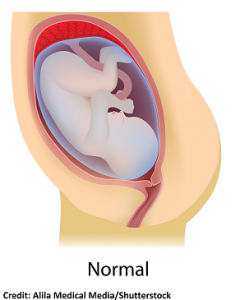
What is placenta previa? It is the abnormal attachment of the placenta in the uterus near or over the cervical opening.
What is the role of the placenta? The placenta is a very important structure for maintaining the pregnancy and helps deliver nutrients and oxygen to the baby along with removing waste via the umbilical cord.
Where should the placenta normally attach? It should attach either to the top or side of the uterus…. NOT in the lower parts of the uterus, near or over the cervical opening.
Causes of the placenta attaching abnormally?
- Maternal age >35 years old
- Multiples
- Already had a baby
- Drug use: cocaine or smoking
- Scarring in the uterus from surgery: fibroid removal, c-section etc.
Different types of placenta previa:

Total previa: placenta completely covers the cervical opening
Partial previa: placenta partially covers the cervical opening (not fully covered)
Marginal previa: placenta is near the edge of the cervical opening
Cases of placenta previa vary and treatment depends on how far along the women is: Placenta previa can be seen on the 20 week ultrasound. Sometimes if the placenta is found to be low lying (partially or marginal) the placenta will move upward away from the cervix as the uterus grows throughout the rest of the pregnancy. This will be reassessed with an ultrasound at 32 weeks.
So, in some cases the placenta previa will correct itself.
Signs and Symptoms of Placenta Previa
PREVIA
Painless vaginal bright RED bleeding (mild to profuse)
Relaxed soft uterus NON-tender
Episodes of bleeding (not spotting) most likely during 3rd trimester…as the body prepares for the baby with the cervix thinning it causes bleeding from where it is tearing the vessels in the placenta.
Visible bleeding (not concealed as in some cases with abruptio placentae)
Intercourse post bleeding (spontaneous or during labor)
Abnormal fetal position breech (bottom first) or transverse lie (sideways)…baby’s head should normally be down but the placenta is in the way…fetal heart rate normal
Nursing Interventions for Placenta Previa
Pelvic rest: no vaginal exams or sexual intercourse, douching throughout the rest of the pregnancy (don’t want to cause injury to the vulnerable placenta presenting at the cervical opening)
No abdominal manipulation
If woman is experiencing NO bleeding or very light bleeding: bed rest, no strenuous exercise or sexual intercourse for the rest of the pregnancy until baby is ready for delivery
If woman is experiencing bleeding: hospitalized to monitor baby and mom
- Watch bleeding…. at risk for hemorrhage:
- may need blood transfusion (type and cross match, RH negative….need RhoGAM, IV access (pick 18 gauge or bigger) for transfusion of blood products and fluids , monitoring CBC, clotting levels
- external monitor to monitor baby’s heart tones, monitoring mom’s vital signs per protocol every 15 minutes (low blood pressure and increased HR….shock)
- monitoring amounts of blood loss (are a lot of pads and linens soiled with blood?), place mom on left side lying position (increases the amount of blood and nutrients going to the baby via the placenta)
- If bleeding can’t be stopped will need c-section.
Contractions causing bleed: may be ordered to give tocolytics (drugs to stop contractions)
Amniocentesis to assess lung maturity of baby and steroids may be given to help baby’s lung mature.
C-section is usually ordered for a partial or complete previa.
In some cases women with a marginal previa (low lying) may be allowed to have baby vaginally.
Complication: Issues with placenta separating completely from uterus because it has embedded deep within the uterus…condition called placenta accreta ….major risk of hemorrhage…may need hysterectomy.
References:
Placenta previa: MedlinePlus Medical Encyclopedia. Medlineplus.gov. Retrieved 23 January 2018, from https://medlineplus.gov/ency/article/000900.htm
Pregnancy complications | womenshealth.gov. womenshealth.gov. Retrieved 23 January 2018, from https://www.womenshealth.gov/pregnancy/youre-pregnant-now-what/pregnancy-complications